Skip to content
GRS Gambling Trends

Last filed:

Menu

Trend desk · est. 2019

Gambling trends, followed closely and told straight

New formats, shifting rules and the habits of players around the world, reported with a cool head and an eye on the risks. No tips, no bonus codes, no promises.

Fresh off the desk

On the front page · Gambling

The Art of the Spin: Finding Your Ideal Online Slot Rhythm

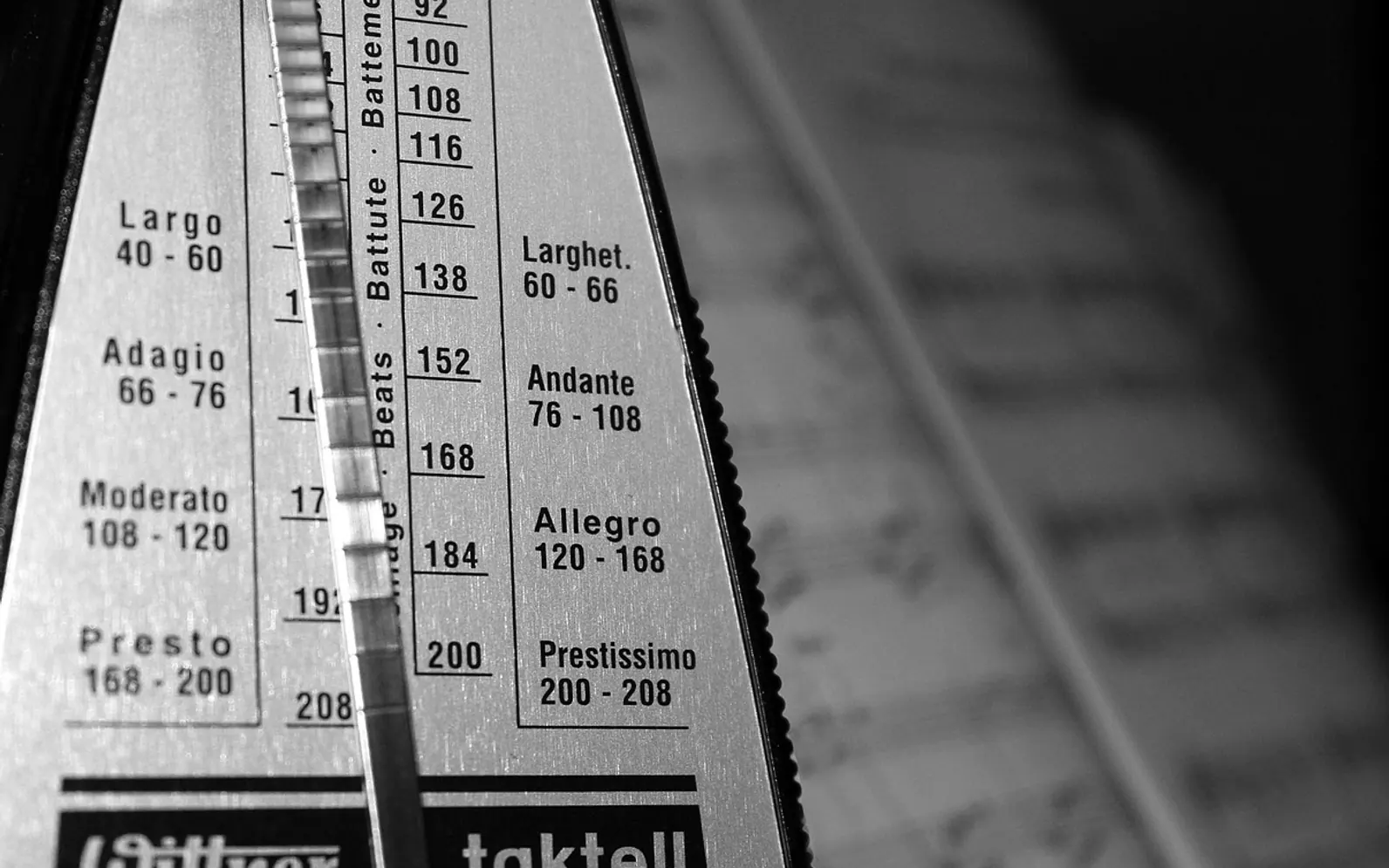
Music, metronome and ticking

Talk to people who have enjoyed slots for years without letting them take over and you will notice they rarely mention winning formulas. They talk about rhythm: how fast they play, when they pause, how long a session lasts and what signals tell them to stop. Rhythm will not change the odds, but it has a huge influence on whether playing feels pleasant or frantic.

Why pace matters

A modern slot can resolve a spin in a couple of seconds. At that speed, the number of decisions per hour, and the amount staked per hour, climbs quickly. Slowing down is the simplest way to make a budget last and to stay aware of what is happening.

The four dials you control

Spin speed

Turbo and quick-spin modes compress the experience. Switching them off is the single easiest adjustment most players can make.

Stake size

A lower stake per spin stretches a session and reduces the swings. Raising stakes to "speed things up" usually just shortens the evening.

Session length

Decide in advance how long you want to play: twenty minutes, an hour. Set a timer, because time disappears easily in front of spinning reels.

Breaks

Short pauses reset your attention. Stand up, look away from the screen, check how you feel and whether you still want to continue.

Finding a style that suits you

Different players settle into different routines:

  • The short-visit player enjoys ten or fifteen minutes on one favourite game and then logs off.
  • The explorer uses demo modes to try new releases and only rarely plays for money.
  • The steady player picks a low-volatility game, a small stake and a fixed session length.
  • The occasional treat player plays only on special occasions with a set amount.

A personal routine works a little like the familiar steps of signing in to a regular site, such as typing an aw8 login before a session: a fixed sequence that signals the start. The difference is that a good routine also includes a clear end.

Signs your rhythm is slipping

  1. You keep extending the session "just a few more spins".
  2. You switch games rapidly hoping one will be "luckier".
  3. You raise stakes after a loss to catch up.
  4. You feel irritable when interrupted.
  5. You play to escape stress rather than for enjoyment.

Any of these is a cue to stop for the day. If they appear often, consider using deposit limits, time-out tools or a longer break, and talk to someone if it feels hard to step away.

Building a sustainable routine

Write your plan down if it helps: budget, stake, session length, break points and a stopping rule for both wins and losses. Review it once a month. Many players are surprised to discover that the calmer, slower version of their hobby is also the one they enjoy most.

Rhythm over results

Every spin is random, so the outcome is never yours to control. The rhythm is. Put your attention there, and the game stays what it should be: a bit of light entertainment that fits around the rest of your life rather than the other way around.

On the front page · Trend Watch

How Canadian Living Rooms Watch TV Now: Apps, Screens and the Saturday Game

Luxury living room, marble fireplace and modern interior

Walk into a Canadian living room on a weeknight and the television looks much as it did ten years ago: a big dark rectangle on the wall. What happens behind it has changed almost completely. The cable box with its blinking clock is gone in plenty of homes, the remote has a row of app buttons, and the person on the couch may be half-watching a second screen on their lap. Our desk usually tracks gambling trends, but the way people watch is the stage those trends play on, so this one is worth a closer look.

Shift one: the TV became the box

For decades, getting channels meant renting hardware from a provider. A coaxial cable came through the wall, a receiver sat under the screen, and the line-up was whatever the package said it was. Today the television itself usually runs an operating system, with an app store, a browser and voice search built in. Where the set is older, a small streaming stick or puck behind it does the same job.

That change sounds technical, but it alters habits. When the screen is a computer, channels stop being fixed numbers and become tiles you arrange. People think less about "what is on channel 32" and more about which app has the thing they want tonight. Many traditional providers have adapted by offering their own apps, so even households that still pay a familiar company may never see a dedicated receiver again.

Shift two: one home, many screens

The single family television has turned into a network of screens. A typical evening might have the main TV showing a match, a tablet in the kitchen playing a cooking show, a teenager watching clips on a phone and a laptop in the spare room running a series. Accounts, profiles and simultaneous-stream limits now matter as much as channel lists did.

This has quietly shifted what people look for in a subscription. Questions that used to sound niche are now ordinary household conversations:

  • How many devices can watch at the same time?
  • Does the app run on the older TV in the basement as well as the new one?
  • Can each person keep their own profile and watch list?
  • Does picture quality hold up when several people stream at once on the home internet?

Home internet speed has, in effect, become part of the television package. A household can have every channel it wants and still have a frustrating evening if the router sits in the wrong corner.

Shift three: building your own line-up

Canadians have had more say over their channel bundles since the CRTC pushed providers towards a smaller basic package and pick-and-pay options in 2016. Streaming took that idea further. Instead of choosing channels inside one provider's menu, many households now assemble a mix from several sources: a sports service here, an on-demand library there, a news app, perhaps a free ad-supported channel or two.

Some viewers keep it simple with one provider's app; others prefer a single subscription that brings live channels into the TV's own app environment, and a plan from topshelfiptv is one example of that kind of set-up people mention when they talk about getting live TV onto a smart screen without the old receiver. Whatever the route, the sensible habit is the same: check what a service actually carries, on which devices, and read its terms before you subscribe. Line-ups, device support and contract rules vary a great deal from one offer to the next.

Shift four: live sport still sets the clock

On-demand viewing has dissolved most fixed schedules. Dramas are watched in a weekend, documentaries at lunch, comedies in the gaps. The big exception is live sport. Nobody wants to watch a playoff overtime three hours later after a group chat has already given away the result.

That is why sport remains the anchor of the shared household schedule. Hockey Night in Canada on Saturdays is still a fixed point for many families, even if the game now plays through an app rather than a dial. The NHL's national package has sat with Rogers and Sportsnet for years, with TSN and RDS carrying regional games and TVA Sports a familiar name for French-language viewers. In autumn the CFL season builds towards the Grey Cup in November, and international tournaments can pull whole neighbourhoods onto the same timetable.

Canada's geography makes this more interesting than in most countries. A puck drop that suits Toronto lands in late afternoon in Vancouver, and in St. John's it arrives half an hour later than Halifax because Newfoundland keeps its unusual half-hour offset. Live sport forces every household in the country onto one clock, even when they sit in six time zones.

Shift five: the rules caught up with streaming

Regulation has followed viewers online. The Online Streaming Act, which received royal assent in 2023, brought online streaming services under Canada's Broadcasting Act and handed the CRTC the task of deciding how they should support Canadian content and discoverability. The details have been worked out in stages through consultations and decisions, and parts remain debated, so it is better to follow the official updates than to guess at the final shape.

For ordinary viewers the practical effect is mostly gradual: more attention to how Canadian programmes appear in app menus and recommendations, and an ongoing argument about who pays for local content in a world where the box under the TV no longer exists.

Where gambling fits into the picture

Because our beat is gambling, we cannot ignore the overlap. Since single-event sports betting became legal under federal law in 2021, sports broadcasts have carried more odds talk and more betting advertising, with Ontario's regulated market the most visible example and its regulator later tightening the rules on how betting ads may use athletes. Betting rules differ by province, so check what applies where you live, and treat any wager as paid entertainment with a limit set in advance.

What to watch next

The direction looks settled even if the pace is not. Screens will keep getting smarter, households will keep mixing several services, and the cable receiver will keep disappearing from shelves. What will not change soon is the pull of a live game: the moment when a whole house, and a whole country across its many time zones, looks at the same screen at the same second. That shared moment is the last thing linear television still owns, and it is the one every new way of watching is trying hardest to keep.

On the front page · Entertainment

Following the Game en Français: French Sports Coverage From Montreal to Moncton

Ice hockey, hockey and team

"Il lance, il compte!" A goal called in French has its own rhythm, a rising shout that many fans in Quebec heard before they could read. For a large part of the country, sport is not only something to watch but something to hear in a particular language, with particular voices. This piece looks at what French-language sports coverage means to its audience, from the Centre Bell to Acadian kitchens in New Brunswick, and how people far from Montreal keep that sound in their living rooms.

Why the language of the broadcast matters

Switching a match to English commentary changes more than the words. The jokes, the nicknames, the long-running debates between analysts and the way a pundit explains a penalty all carry a cultural flavour. Francophone viewers often say they understand the English feed perfectly well and still prefer the French one, simply because it feels like their game.

That preference has a long history. For decades, Saturday nights in Quebec meant La Soirée du hockey on Radio-Canada, a fixture of family life in the same way Hockey Night in Canada was in English Canada. The programme ended its classic run in the 2000s, but the habit it built, gathering for the game in French, never really left.

The Canadiens as a shared language

It is hard to overstate the place of the Montreal Canadiens in Quebec culture. Fans call them le Tricolore, les Glorieux or la Sainte-Flanelle, and the club's 24 Stanley Cups are a source of pride that crosses generations. A strong season fills conversations at work, on talk radio and at the dépanneur; a weak one is debated with the same energy.

Following the Habs is also a way of staying connected for Quebecers who have moved away, whether to Ottawa, Calgary or further. Watching in French keeps the link with home alive in a way a highlight clip in another language does not.

Who carries French-language sport

Two names dominate the conversation. RDS, part of the Bell family of channels, has long been the home of regional Canadiens games and covers a wide range of other sports, from football to tennis. TVA Sports, owned by Québecor, has been the other major French-language sports channel and a familiar name for national hockey broadcasts in French. Exactly which games sit on which channel depends on the rights agreements in force in a given season, and those deals change over time, so the safest approach is to check each broadcaster's schedule rather than rely on what was true a few years ago.

Outside hockey, French coverage follows the seasons:

SeasonWhat francophone fans tend to follow
AutumnThe start of the NHL season and the Alouettes in the CFL, building towards the Grey Cup in November
WinterHockey every week, plus winter sports and international junior tournaments over the holidays
SpringThe playoff race, when Saturday nights become non-negotiable
SummerSoccer with CF Montréal, tennis in Montreal and motor racing

Francophone Canada beyond Quebec

French-speaking Canada does not stop at the Quebec border. New Brunswick is officially bilingual and home to a large Acadian community; Ontario has a sizeable Franco-Ontarian population, especially in the east and north; and there are long-established francophone communities in Manitoba around Saint-Boniface, as well as in Alberta, Saskatchewan and British Columbia.

For these viewers, French sports coverage can take more effort to find. Some local cable packages outside Quebec include the French channels, others offer them only as an add-on, and some do not carry them at all. A fan in Moncton or Sudbury may have to look further afield to hear the game the way they grew up hearing it.

Getting the French feeds onto your screen

The practical options are broadly the same wherever you live, and each has its own trade-offs:

  • A traditional TV package that lists RDS and TVA Sports, either in the base tier or as a sports add-on. Ask specifically about French channels, as they are not always included by default outside Quebec.
  • Broadcaster apps tied to a TV subscription, which let you watch on a phone, tablet or smart TV once you sign in.
  • A streaming subscription that brings live channels to a smart TV or streaming box. Francophone fans outside Quebec who search for the best iptv set-up for French-language sport usually focus on whether the French channels are in the line-up and how the service runs on the devices they already own.

Whatever route you choose, check what a service actually carries and read its terms before you subscribe. Channel line-ups, regional restrictions and device support differ, and the French feeds are exactly the detail that tends to be buried in the fine print.

Small things that make the experience better

A few habits help the French broadcast feel at home on a modern set-up. Many smart TVs and apps let you choose a default audio language, which matters when a channel carries more than one track. Setting the TV's menus to French can surface French-language apps and channels more easily in search. And because many households watch on several screens at once, it is worth confirming that the game can play on the main TV and a second device without cutting out during overtime.

Time zones matter too. A Canadiens game that starts in the evening in Montreal comes on in the late afternoon for a Franco-Albertan in Edmonton or a Fransaskois family in Saskatchewan. Knowing the local start time saves a lot of last-minute scrambling.

A sound worth keeping

Sport in French is part of what makes Canadian broadcasting distinct. It carries memories of family Saturdays, arguments about line combinations and the voice of a commentator rising with a breakaway. Whether you live a few blocks from the Centre Bell or several provinces away, finding a reliable way to keep that commentary on your screen is less about technology than about keeping a small piece of culture close at hand.

Pick a desk

Behind the byline

How a trend becomes a story here

  1. Spot the shift

    A new game format, a payment change or a rule update that keeps coming up.

  2. Read the source material

    Game rules, operator terms and regulator notices before any opinion.

  3. Name the catch

    Every story says where the money and the risks actually sit.

  4. Keep it current

    Older stories get revisited when the picture moves on.

Betting desk tool

Turn odds into a probability

Type decimal odds to see the same price as fractional and American odds, and the chance the bookmaker’s price implies.

Fractional: –

American: –

Implied probability: –

Implied probabilities across all outcomes add up to more than 100% — that extra is the bookmaker’s margin.

Desk dictionary

Words that turn up in almost every story

Quick definitions here; the longer list has its own page.

Margin
The slice a bookmaker or casino builds into every price, whatever the result.
Crash point
The random moment a crash game stops climbing and unclaimed stakes are lost.
Playthrough
Another name for a wagering requirement on bonus funds.
Cooling-off
A short, self-chosen pause on an account, from a day to several weeks.
Sweepstakes coins
Promotional currency on social casinos that may be redeemable under the site rules.

See all the terms

You asked

Questions that land in our inbox

Not covered? The Say Hello page goes straight to us.

Are you a casino or a bookmaker?

Neither. We write about the industry and do not take bets, run games or hold player accounts.

Will your stories help me win?

No. Understanding a format is useful, but nothing we publish changes the odds or removes the house margin.

Do you recommend particular sites?

We do not rank operators. A few older stories mention outside websites; check any platform’s licence and your local law yourself.

Where can I turn if gambling is causing problems?

Pause, use the limit and self-exclusion tools on your accounts and contact a support service in your country. Our responsible gambling page has first steps.

The trend we always back: stopping in time

Gambling is paid entertainment. It is never income and never a fix for money worries.

  • Set your limit before the first bet
  • Use deposit caps and time reminders
  • Leave losses where they are
  • Talk to someone early, not late

Our responsible gambling page

The trend letter

A short email when a new story lands or a rule change is worth knowing about. No offers, no codes, no affiliate links.

This opens your own mail app with a pre-filled message; addresses are added by hand.