Story · Gambling
How Lottery Numbers Are Drawn: Ball Machines, Witnesses and Checks
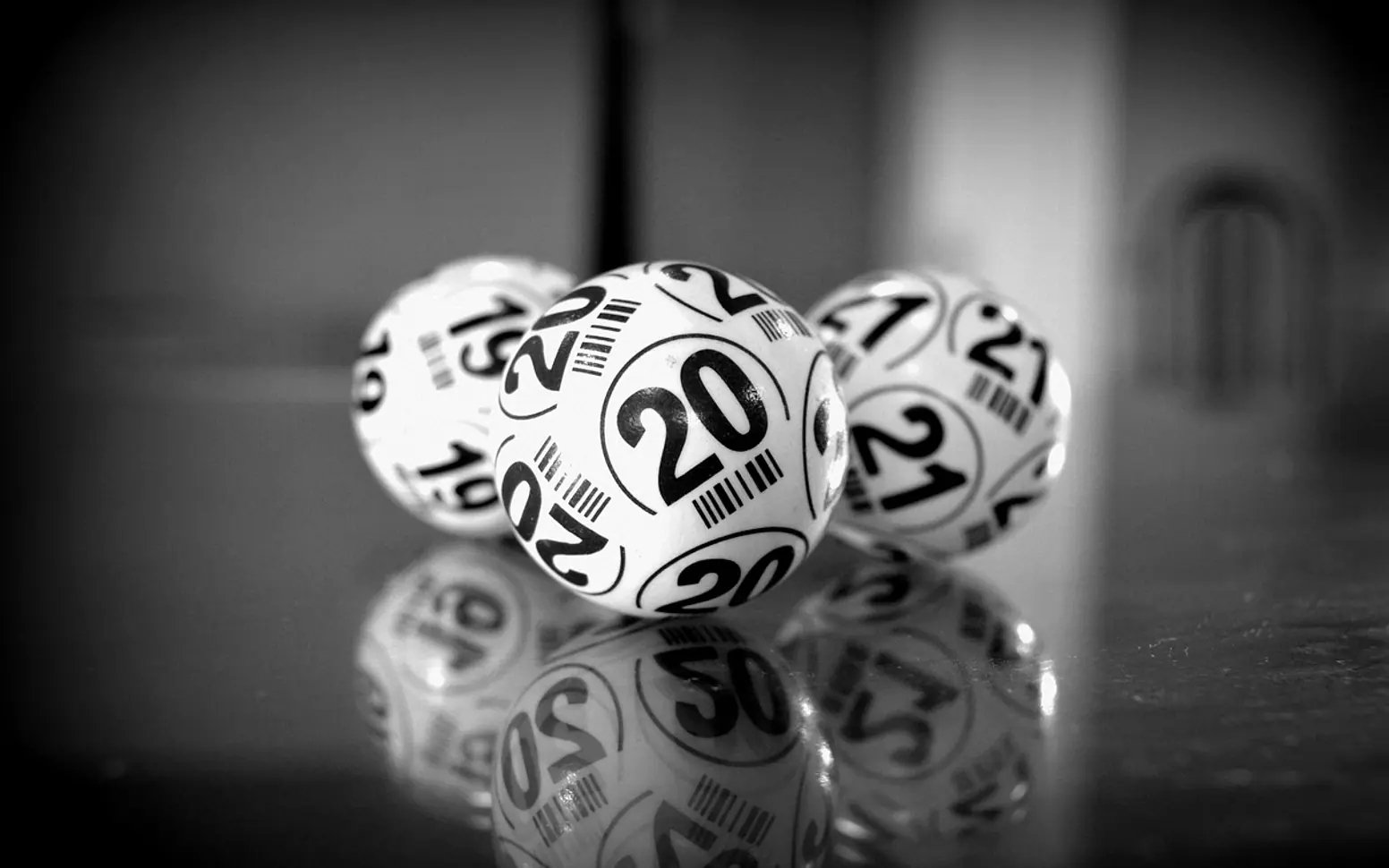
The studio lights come up, a presenter smiles at the camera, and a drum of numbered balls begins to turn. A minute later six or seven numbers sit in a row and millions of tickets are suddenly worth something or nothing. That minute is the visible end of a much longer routine, and most of it is designed for one purpose: making sure nobody, inside or outside the lottery, can know or steer the result in advance.
Two kinds of ball machine
Most televised lotteries still use physical balls, because people trust what they can see. The machines come in two broad designs:
- Gravity-pick machines tumble the balls in a rotating drum, often with paddles or vanes inside to keep them mixing. One by one, balls fall through an opening into a collection track.
- Air-mix machines blow the balls around a clear chamber with a stream of air. A ball is lifted into a tube at the top and held there until it is announced.
Both aim at the same thing: every ball in the chamber should have an equal chance of being the next one out, and no one should be able to influence which.
The routine before the cameras roll
Lotteries publish their own procedures, and the details differ, but a typical draw day follows a pattern like this:
- Choosing the equipment. Many lotteries keep several machines and several sets of balls, and pick which ones to use shortly before the draw, sometimes at random.
- Inspecting the balls. Ball sets are stored sealed and are weighed and measured at intervals so that no ball is heavier, lighter or larger than the rest.
- Test draws. The chosen machine and set run several practice draws to confirm everything moves freely.
- Locking the room. Access to the draw area is limited to named staff, and equipment is kept under seal when not in use.
- Independent witnesses. An auditor or observer from outside the lottery watches the preparation and the live draw, then signs off the result.
- Recording. The draw is filmed, and the official result is only confirmed once the paperwork is complete.
If something goes wrong on air, such as a ball sticking or a machine failing, the game rules normally set out what happens next, from a redraw on backup equipment to a short delay. A frozen screen does not mean a fixed result.
When the draw is done by computer
Not every game uses balls. Fast games with draws every few minutes, such as lottery keno and its frequent draws, usually rely on a random number generator because no one could run a ball machine that often all day. Some daily and online draws do the same. In those cases the safeguards shift from scales and seals to software: the generator is tested by an independent lab, the system is locked against changes, and access is logged. It is the same principle used for online casino games, described in how independent testing makes online slots more transparent.
| Ball machine draw | Computer (RNG) draw | |
|---|---|---|
| Typical use | Big weekly or twice-weekly jackpot games | Fast games such as keno, some daily draws |
| Main safeguards | Sealed ball sets, weighing, test runs, witnesses | Lab certification, locked software, access logs |
| What the public sees | A live or recorded draw | Results on screen or in an app |
What all this means for your numbers
Every safeguard points to the same conclusion: the machine has no memory and no favourites. A number that came up last week is no more or less likely this week, and charts of "hot" and "cold" balls describe the past, not the future. That is also why the way you pick a line makes no difference to the odds, as explained in quick pick or your own numbers.
It also gives you a simple test for a common con. Anyone claiming to know the next draw, sell "leaked" numbers or offer a system that beats the machine is making a promise no honest person could keep. Those offers sit alongside fake prize letters in the warning list in lottery scams and fake prize notices.
Quick answers
Can the same number set be drawn twice in a row?
Yes. It is extremely unlikely, but each draw is independent, so nothing prevents it.
Why are some draws not shown live?
Some lotteries draw a short time before the broadcast and show a recording, with the same witnesses and checks. Timing is about scheduling, not secrecy.
Lottery play is for adults only, and the rules differ between countries and states. Buy tickets with money you have set aside for fun, never with money meant for bills.