Story · Gambling
Lottery Keno Explained: Fast Draws, Multipliers and Pace
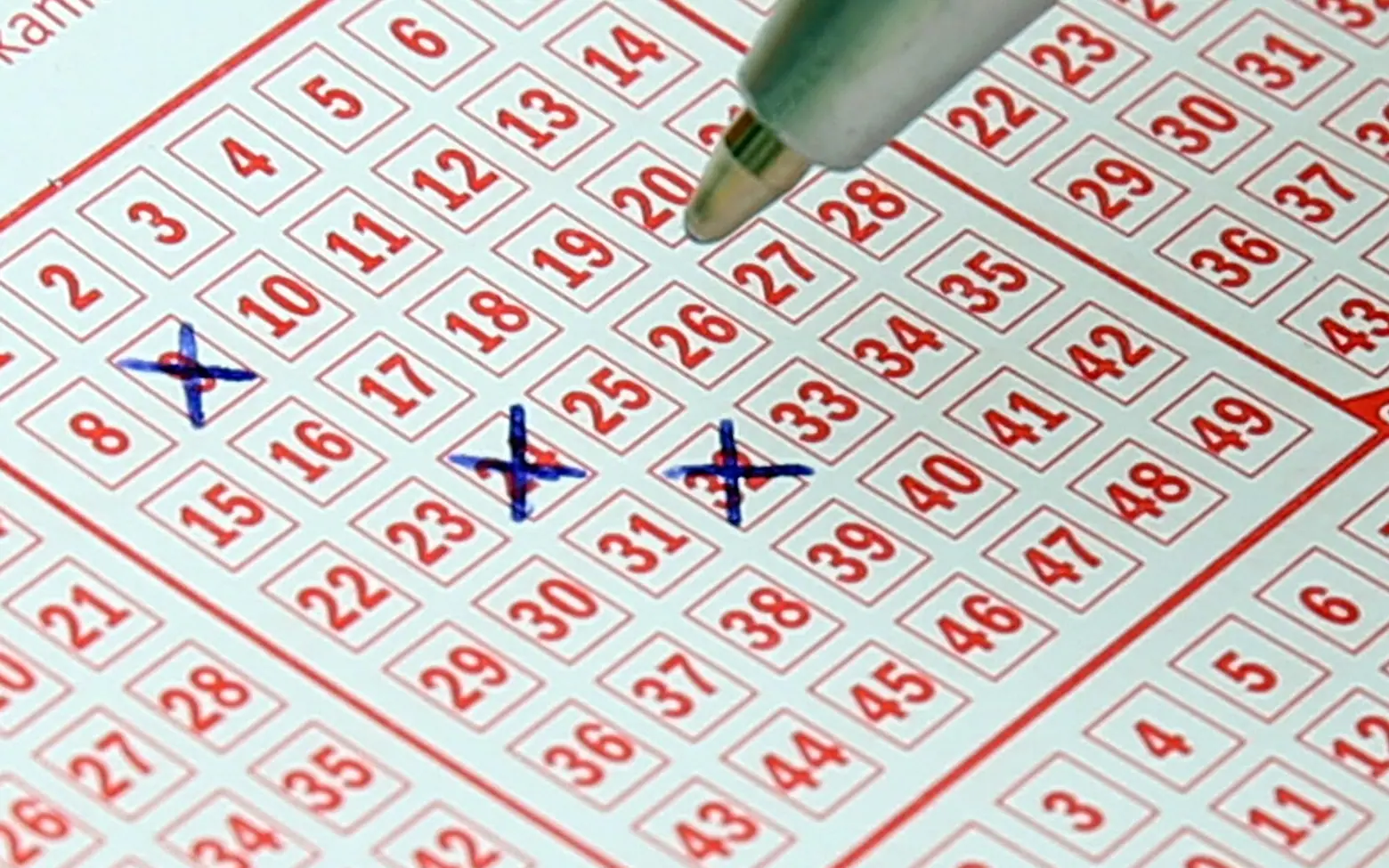
Lottery keno is a number game run by a state or national lottery and played in bars, restaurants, shops and apps, with a new draw every few minutes for most of the day. Players choose how many numbers to play, called spots, pick a stake and the number of consecutive draws, then watch the results appear on a screen. Twenty numbers are drawn from 80 each time, and the prize depends on how many of your spots were among them. It looks like a slow, sociable game. In practice, it is one of the fastest forms of lottery play there is.
Keno is an adults-only game, and the age limit and rules depend on where you play. Settle on a stake and a number of draws before the first one starts.
How a lottery keno ticket works
- Choose your spots. Most lottery keno games let you play between 1 and 10 numbers; some go higher.
- Pick the numbers, or let the terminal choose them at random.
- Set the stake per draw. Higher stakes scale every prize up in proportion.
- Choose the number of consecutive draws. One ticket can cover a single draw or many in a row.
- Decide on any add-on, such as a multiplier, which raises the cost of every draw it covers.
- Watch the monitor or app. Each matched spot is a catch, and the prize comes from the game's pay chart for your spot count.
Keno draw times and pace
The defining feature of lottery keno is frequency. Where a classic lottery draws once or twice a week, keno draws can run every few minutes from morning until late evening; the lottery publishes the exact schedule for its game. That pace changes how a modest stake behaves. If a draw runs every four minutes, an hour holds about fifteen of them. A small stake that feels trivial on one ticket becomes fifteen stakes in an hour of sitting in front of the screen, and more if you play several tickets at once.
The same speed effect is behind the appeal of newer fast formats too; we look at it in why crash games feel so fast.
Lottery keno compared with other draw games
| Lottery keno | Casino keno | Classic lottery draw | |
|---|---|---|---|
| How often | Every few minutes | Every few minutes, varies by venue | A few times a week |
| Where | Bars, restaurants, shops, apps | Casino lounges and machines | Retailers and apps |
| Prizes | Fixed pay chart by spot count | Venue's own pay chart | Fixed lower tiers, shared jackpot |
| Player choices | Spots, stake, draws, add-ons | Spots, stake, ticket types | Numbers or quick pick |
How many spots, and what it changes
The number of spots does not make the game fairer or less fair on its own; it changes the shape of the results. Fewer spots mean more frequent, smaller prizes. More spots mean long runs without much return, punctuated by rare larger prizes. The chance of catching every one of your numbers falls quickly as spots rise:
| Spots played | Chance of catching all of them |
|---|---|
| 1 | 1 in 4 |
| 2 | About 1 in 17 |
| 4 | About 1 in 326 |
| 6 | About 1 in 7,750 |
| 8 | About 1 in 230,000 |
| 10 | About 1 in 8.9 million |
These figures follow directly from drawing 20 numbers out of 80. What you are paid for each result depends on the pay chart, which is where the lottery builds in its margin. The idea of reading a pay table for volatility, explained for slots in reading a paytable before you spin, applies to keno charts too.
Multipliers and other add-ons
Many lottery keno games offer an optional multiplier. For an extra cost, often equal to the original stake, a randomly drawn multiplier is applied to any prize you win in that draw. It can make a win larger, but it does not improve the chance of catching your numbers, and it raises the cost of every draw, winning or losing. Other add-ons, such as bonus numbers or side bets, follow the same principle: more ways to win, at a higher price per draw. Check whether an add-on was switched on by default before you pay.
How do you win in keno?
You win by catching enough of your spots to reach a paying line on the chart for your spot count. There is no reliable way to improve that: numbers that appeared recently, numbers that have not appeared for a while and patterns on the board carry no information about the next draw. Each draw is independent, and the terminal's random choice is as good as any you could make.
Keeping the pace under control
- Buy a fixed number of draws in advance, rather than renewing ticket by ticket.
- Do not re-stake winnings on the spot. Collect them and decide later.
- Watch the clock as well as the money. An hour of keno is a lot of draws.
- Use the tools available. Lottery apps often offer spending limits and breaks; our guide to cooling-off and self-exclusion tools explains how they work.
Keno shares its roots with bingo, another game of drawn numbers; if the hall side of that family interests you, see bingo calls and lingo.