Story · Gambling
Quick Pick or Your Own Numbers: Does It Change Anything?

Quick pick numbers win exactly as often as numbers you choose yourself. Every line on a lottery ticket has the same chance of matching the draw, whether a terminal generated it at random or you built it from family birthdays. The machine drawing the balls has no way of knowing how a line was picked. Where your method can make a difference is in a different question: if you do win, how many other people are likely to be holding the same numbers?
What a quick pick is
A quick pick, called a lucky dip in some countries, is a set of numbers generated by the retailer's terminal or the lottery's app at the moment you buy. You do not fill in a playslip; the system picks a random combination for each line. Many players use quick picks for convenience, and some lotteries sell more quick-pick lines than chosen ones.
Why so many winners are quick picks
It is common to hear that most jackpot winners used a quick pick, and in some games that is true. The explanation is simple arithmetic rather than luck. If a large share of the tickets sold for a draw are quick picks, then a similarly large share of the winning tickets will be quick picks too. The proportion of winners reflects the proportion of sales, not any advantage in the method.
Where the choice does matter: sharing a prize
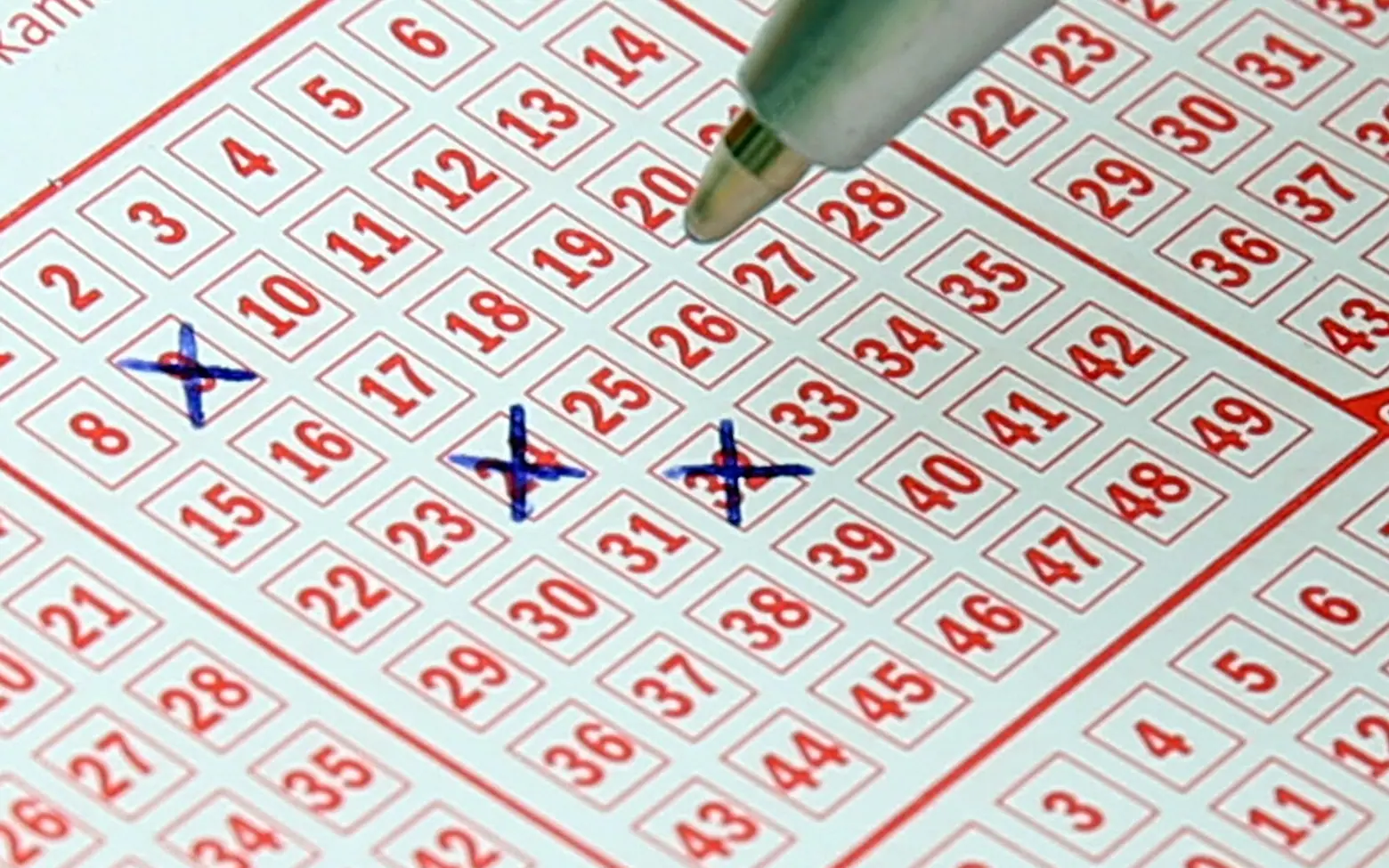
In many games, the lower prize tiers pay fixed amounts, but the jackpot is divided equally between every ticket that matches it. That makes popular combinations a slight disadvantage: they win just as often, but when they win, the prize may be split many ways. People choosing their own numbers tend to fall into similar habits:
- Dates: birthdays and anniversaries limit choices to 1–31, and to 1–12 for months.
- Patterns on the playslip: straight lines, diagonals and shapes drawn across the grid.
- Sequences: runs such as 1, 2, 3, 4, 5, 6 or regular steps like 5, 10, 15, 20.
- Recent results: repeating the numbers from the last draw.
- Numbers seen in public: anything printed widely, from a famous film to a viral post, can end up on thousands of slips.
Quick picks avoid these habits because they are random, though a random generator can still produce a combination many people happen to like. Neither approach changes the chance of winning; random or unusual numbers simply reduce the chance of sharing if lightning strikes.
| Approach | Chance of matching the draw | Likelihood of sharing a jackpot |
|---|---|---|
| Quick pick | Same as any other line | Average |
| Birthdays and dates | Same as any other line | Higher, because many players pick 1–31 |
| Patterns or sequences | Same as any other line | Higher, because shapes on the slip are popular |
| Numbers spread across the full range | Same as any other line | Slightly lower than average |
A lottery ticket is a few minutes of daydreaming for adults, not a savings plan. Check the age limit where you play and keep the spend to loose change.
What does not matter at all
Frequency charts, "hot" and "cold" numbers and lists of numbers that are "overdue" all assume the balls remember past draws. They do not. Each draw is a fresh, independent event, so a number that has not appeared for months is no more likely to turn up next week. The same reasoning applies to slot machines and is covered in common myths about online slots.
The hidden cost of "my numbers"
Playing the same chosen line every week has a side effect that has nothing to do with odds. Once a line feels like yours, skipping a draw starts to feel risky: what if your numbers come up the one week you did not play? That fear can quietly turn an occasional ticket into a fixed weekly commitment. If you notice it happening, a quick pick for the draws you actually want to play breaks the link. Setting a fixed monthly amount, in the way described in setting a session budget, helps too.
Quick questions
Do quick picks ever win the jackpot?
Yes, regularly. They win at the same rate as any other line, and because they make up a large part of sales in many games, a large number of jackpot winners have used them.
Can two people get the same quick pick?
Yes. Terminals generate each line independently, so the same combination can be issued to more than one player in a busy draw. It is unlikely in any single case but entirely possible.
Are high numbers a smarter choice?
Numbers above 31 are no more likely to be drawn. They can only reduce the chance of sharing a jackpot with players who used dates.
Does it matter for a pool?
Not for the odds, but it matters for paperwork. A group should record which lines belong to the pool, however they were chosen; our guide to sharing a ticket fairly explains why.