Story · Casino Culture
Class II vs Class III Slot Machines: How Bingo-Based Machines Work
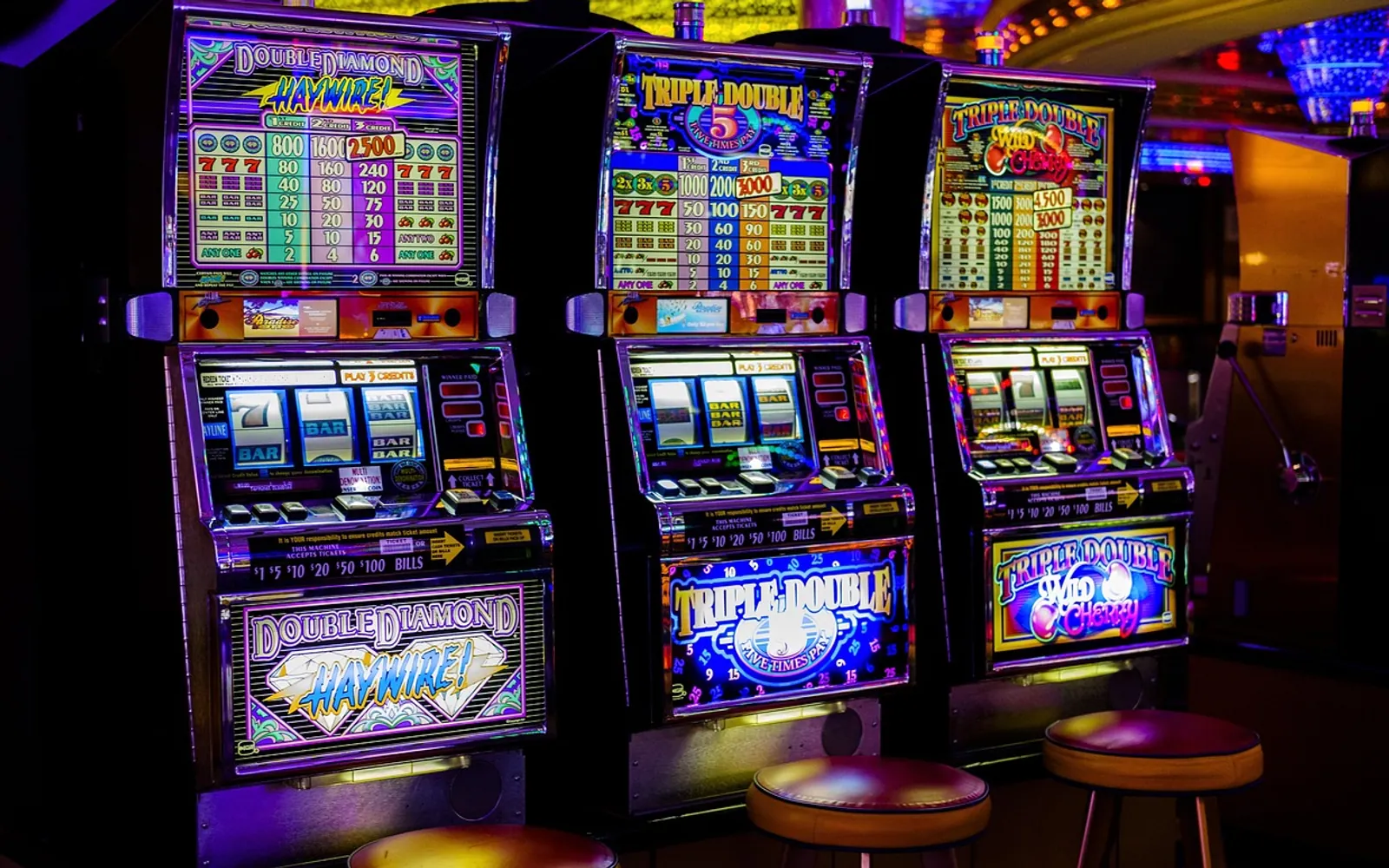
A Class II slot machine is an electronic bingo game dressed up as a slot. When you press the button, your stake joins a bingo game with other players on linked machines, numbers are drawn, and the spinning reels simply show the result of that bingo game in a familiar format. A Class III machine is what most people picture as a slot: a stand-alone game whose outcome comes from its own random number generator. On the floor the two can look almost identical, and that is rather the point.
Where the classes come from
The labels come from United States law on gaming in tribal casinos. The Indian Gaming Regulatory Act of 1988 split games into three groups, each with its own level of oversight:
- Class I: social games for small prizes and traditional ceremonial games, regulated by the tribes themselves.
- Class II: bingo and games similar to it, such as pull-tabs, plus card games where players compete against each other rather than the house. Tribes regulate these, with federal oversight from the National Indian Gaming Commission.
- Class III: everything else, including conventional slot machines and house-banked table games like blackjack and roulette. These normally need a compact agreed between the tribe and the state.
Because Class II games can run without that state agreement, machines built around bingo gave operators a way to offer slot-style entertainment in places where full Class III gaming was not, or not yet, permitted. The same idea has spread beyond tribal venues in some states, under their own rules.
What happens inside a Class II machine
The sequence is quick, usually over in the time it takes the reels to start moving:
- You place a stake. The machine assigns you a bingo card, often shown in a small panel in a corner of the screen.
- The game waits for company. Bingo needs at least two players, so the machine is linked to others on a central server, sometimes across the same floor, sometimes across several venues.
- Balls are drawn electronically. The server draws numbers for the game you have joined.
- Patterns are checked. Each card is compared with a list of winning patterns. The pattern you hit, if any, decides your prize.
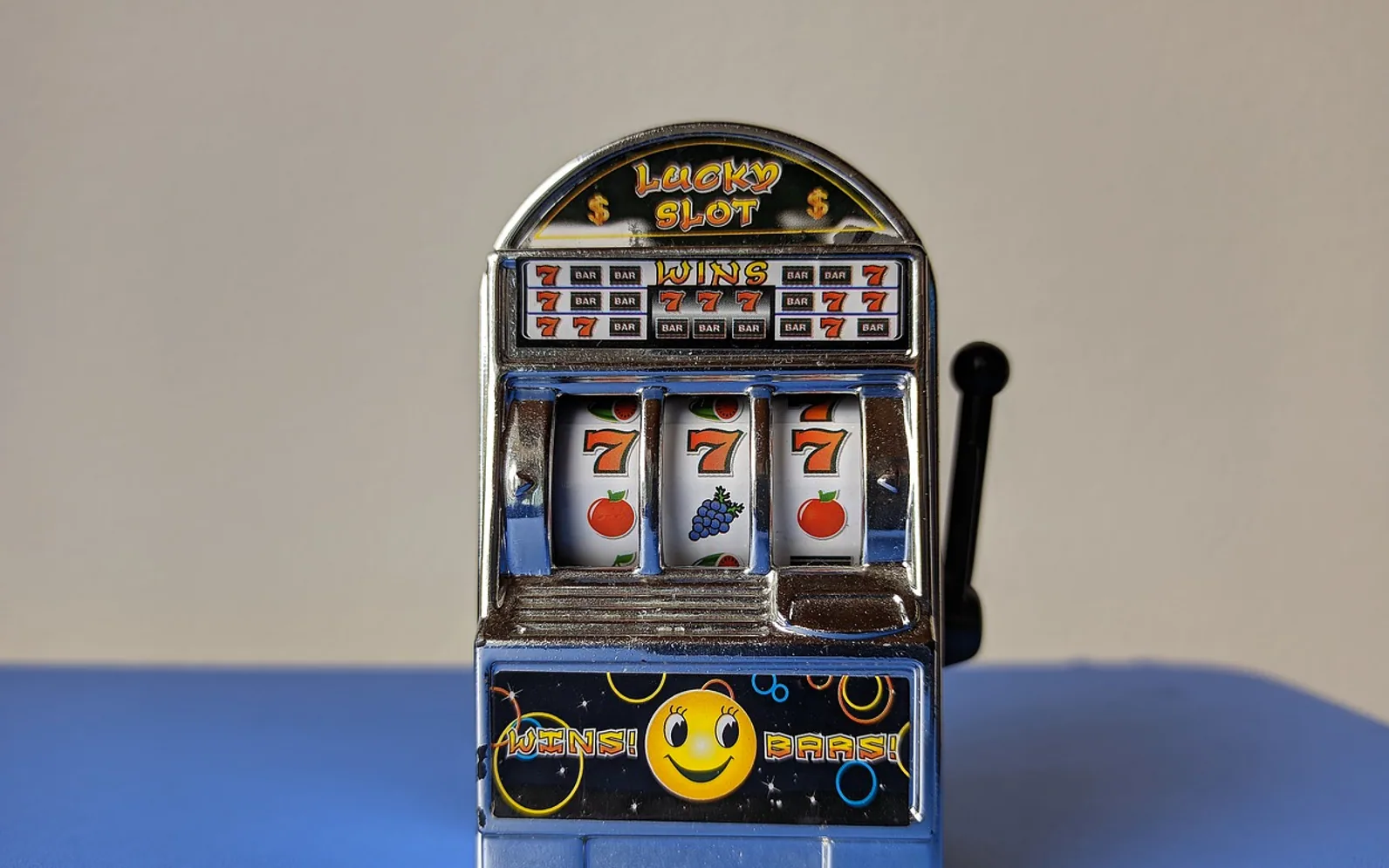
- The reels put on a show. The reel result you watch is chosen to match the prize the bingo game already awarded. A line of sevens is a picture of the win, not its cause.
Many machines also run a game-ending pattern, often a larger pattern that one player must complete for the bingo game to close. Prizes may be shared or adjusted if two players hit the same winning pattern in the same game, which the help screen should explain.
Class II and Class III side by side
| Class II (bingo-based) | Class III (conventional slot) | |
|---|---|---|
| What decides the result | A shared bingo game between linked players | The machine's own random number generator |
| Who you play against | Other players in the same bingo game | Only the machine |
| Role of the reels | A display of the bingo outcome | A display of the generator's outcome |
| Typical sign on screen | A small bingo card or the word "bingo" in the corner | No card; paytable and reels only |
| Legal footing in tribal venues | Regulated by the tribe with federal oversight | Usually needs a tribal-state compact |
How to tell which one you are playing
The clearest clue is the bingo card. Most Class II machines must display it, even if it is tiny and easy to ignore while the reels spin. Other hints include a short pause before results while the game finds other players, help screens that talk about "patterns" rather than paylines, and a game-ending pattern prize. If you are unsure, the help menu or a member of staff can usually tell you what kind of machine it is.
For comparison, the way paylines and paytables work on an ordinary reel game is covered in reading a slot's paytable and volatility, and much of that still applies to the presentation layer of a Class II cabinet.
Does the difference matter to a player?
In everyday terms, less than the technology suggests. Both types are games of chance, both are built so the venue keeps a share of what is staked over time, and neither responds to timing, tapping or "warming up" a machine. What the bingo layer changes is the mechanics behind the curtain: your result depends on a draw shared with other players rather than one private to your seat. The rules governing return percentages and disclosure also differ by jurisdiction, so the help screen and the venue's posted information are the places to check.
The design side is worth knowing too. Class II cabinets borrow every trick of reel slots, from sounds and lights to near-miss displays, which is why they feel the same. Our look at near misses and other tricks of casino game design explains why those touches work on us.
Why operators keep both on the floor
For venues, bingo-based machines are a way to fit slot-style entertainment into a specific legal framework, and in places where both classes are allowed they often stand side by side. That mix is part of the wider business story told in how slot machines shape casino economics, where floor layout, supplier deals and loyalty data all come into play. Newer cabinets go further still, adding arcade-style bonus rounds; the debate over skill-based games on the casino floor picks up that thread.
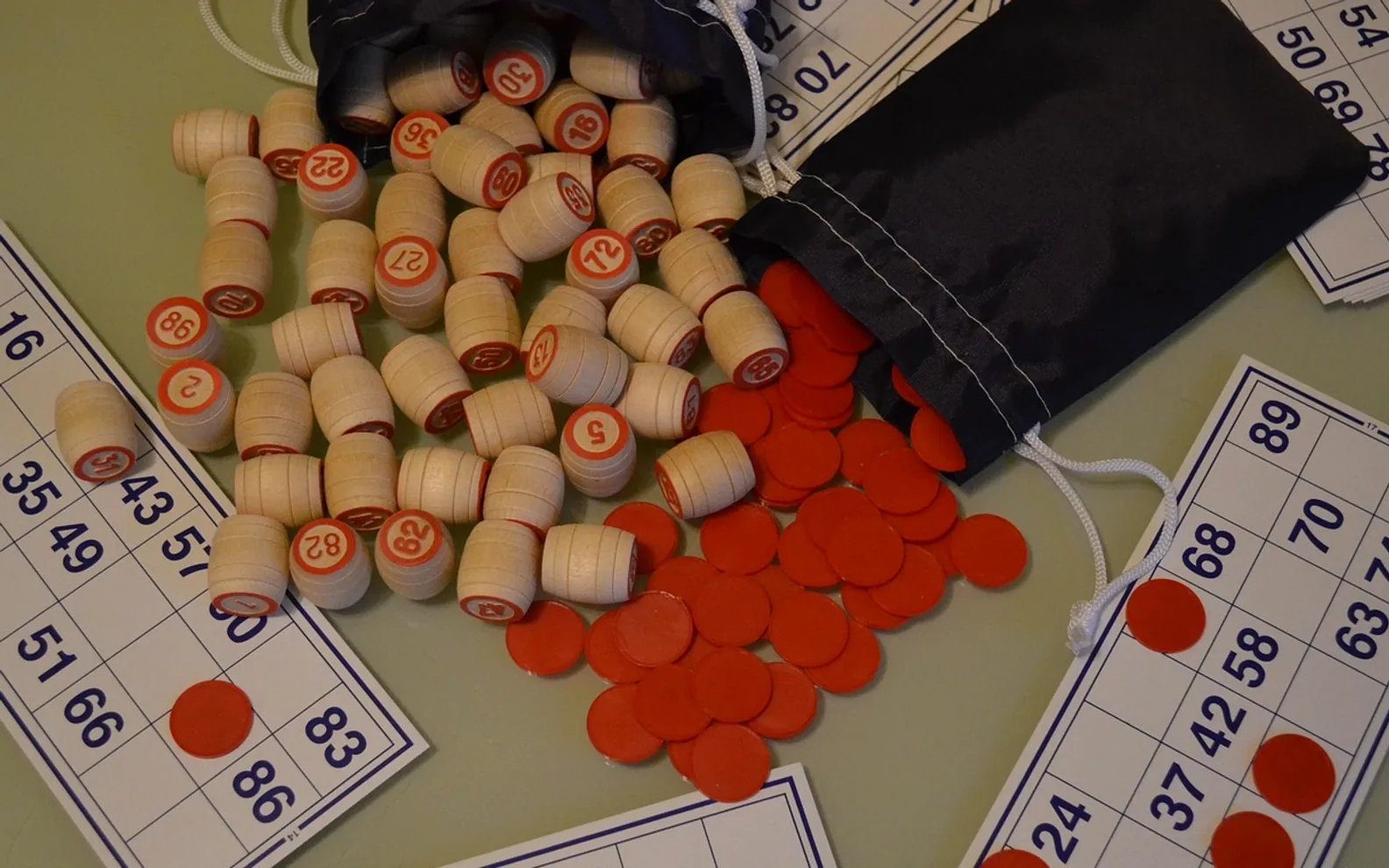
The family tree is older than it looks. Bingo halls were among the first legal games in many communities, and the electronic version is a direct descendant, as the guide to bingo calls and hall lingo shows from the paper-ticket side.
Machines of either class are for adults only, and what is legal varies by state, tribe and country. Treat each session as paid entertainment with a spending limit fixed before you sit down.