Story · Casino Culture
Near Misses and Other Tricks of Casino Game Design

Casino games are designed with great care, and much of that design is about how a session feels rather than how it pays. Recognising the most common techniques does not spoil the fun. It simply lets you enjoy the craft while staying aware of what it is trying to do.
The near miss
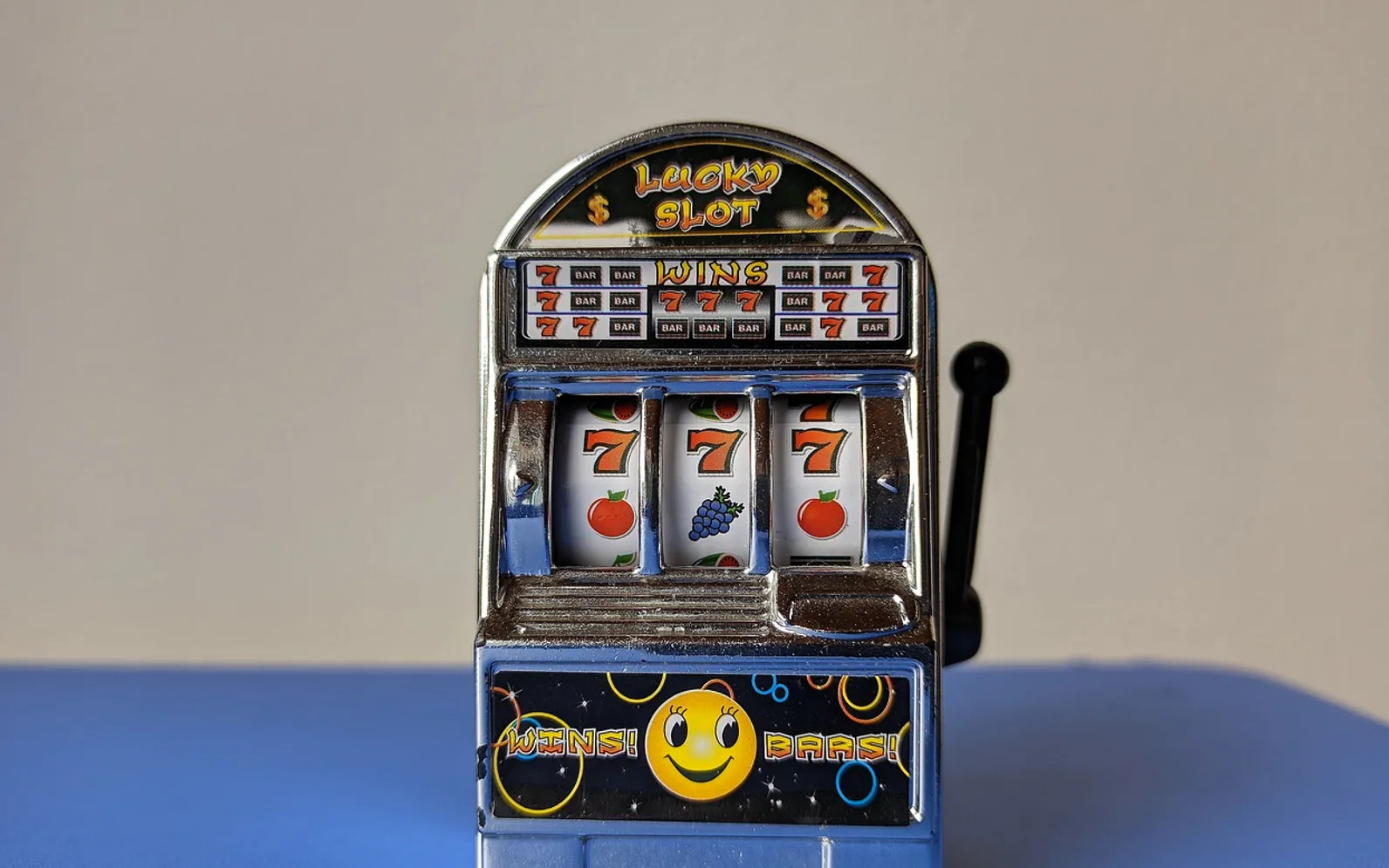
Two jackpot symbols land and the third stops just above the line. It feels as if you almost won. Mathematically, a near miss is simply a losing result, no closer to a win than any other. But it is emotionally powerful, and it can encourage another spin. Rules in some jurisdictions restrict how often games can display them artificially.
Small wins with big celebrations
A spin that returns less than your stake can still trigger flashing lights and triumphant music. These moments make sessions feel more rewarding than the numbers suggest. Glancing at your balance rather than at the animation keeps the picture accurate.
Time without edges
Many land-based casinos have few windows and no visible clocks, and online games rarely remind you of the time unless a regulator requires it. Without natural markers, sessions stretch. A phone alarm or a watch is a simple counterweight.
Frictionless repetition
- Autoplay runs spins without any decision.
- Quick spin shortens the time between results.
- Repeat bet buttons replay the last stake instantly.
Each removes a small pause in which you might otherwise stop to think.
Chips and credits instead of money
Playing with chips, credits or coins makes stakes feel abstract. Converting the figure back into your own currency now and then keeps it concrete.
Seeing the design clearly
Responsible design is improving in many markets, with mandatory reality checks, slower spin speeds and limits on misleading celebrations. Players can add their own safeguards: switch off autoplay and turbo, watch the balance rather than the effects, keep a clock in view and set a firm budget. Appreciate the artistry if you enjoy it, and let your own plan, not the game's design, decide when the session ends.